
Japan’s ski season is almost here, and the powder is as good as everyone says. Niseko United plans to open on 28 November 2026, with Hakuba’s resorts close behind. Whether it’s your first ski trip to Japan or your fifth, a bit of planning goes a long way. These 10 tips cover where to base yourself, how to buy lift passes without wasting days, what’s changed with Japan’s travel taxes, and why snow sports cover belongs on your packing list.
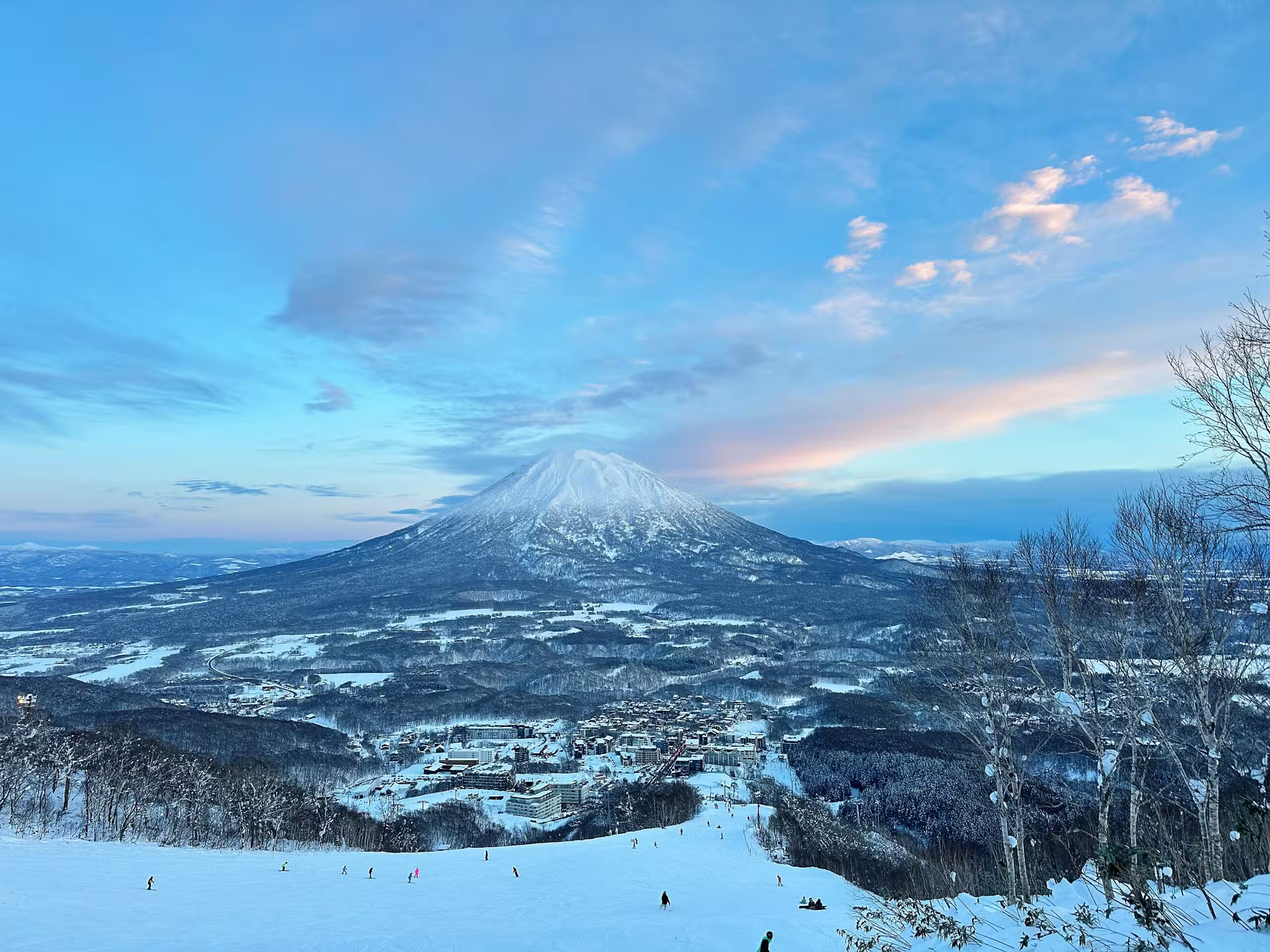
1. Pick Your Base: Niseko or Hakuba
Niseko, in Hokkaido, links four resorts you can ski between on a single All Mountain Pass, and its lively village suits first-timers. Hakuba, in Nagano, has ten resorts on one valley pass, with more varied and steeper terrain and generally lower prices. The resorts aren’t physically linked, so you move between them by shuttle. Getting there differs too. Niseko is about 2.5 to 3 hours from New Chitose Airport near Sapporo, while Hakuba is roughly 3 to 4 hours from Tokyo.
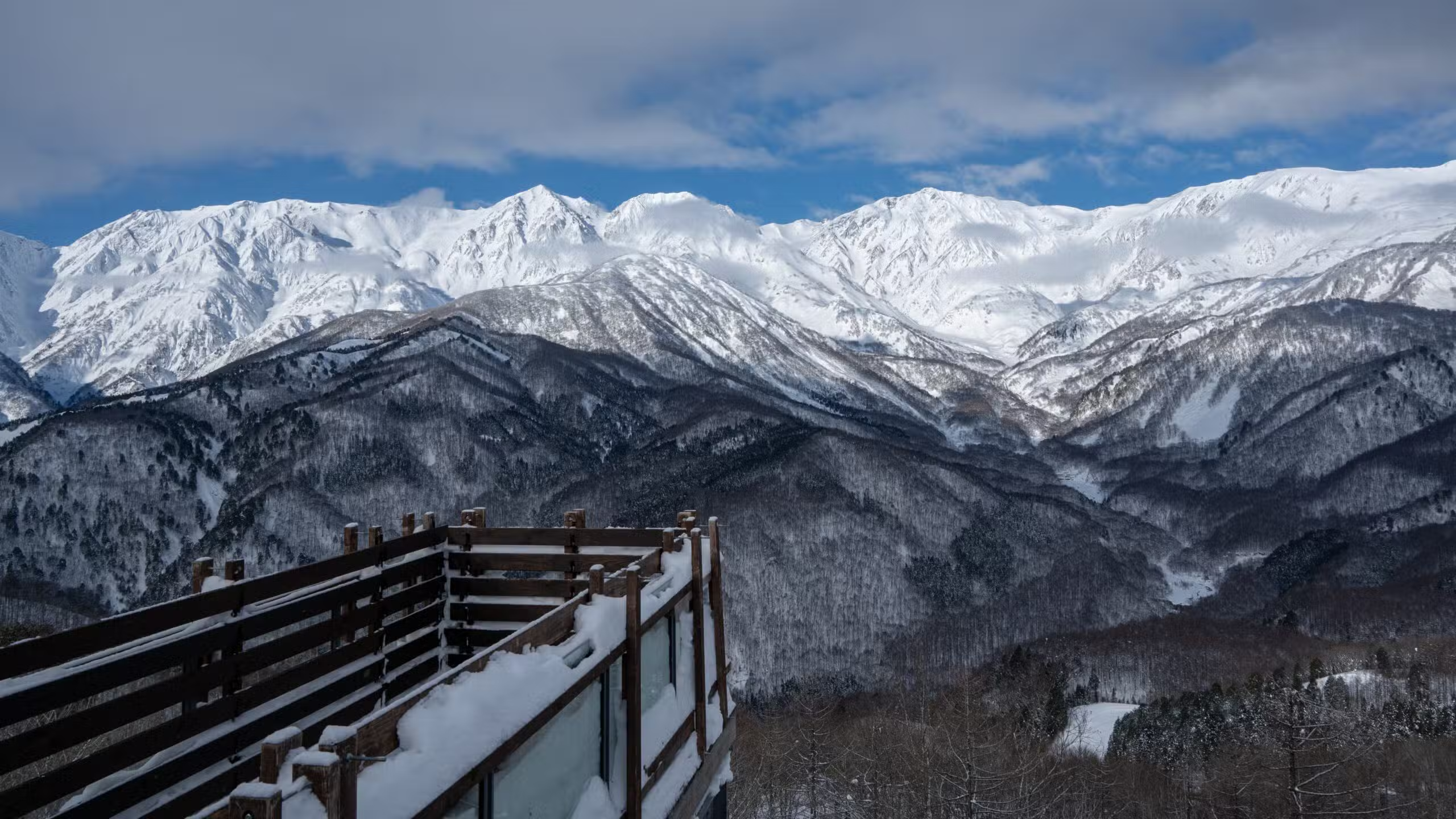
2. Time Your Trip Around Peak Season
Niseko’s peak pricing runs from 24 December to 28 February. Regular-season rates apply from 12 to 23 December and through March. Grand Hirafu and Annupuri are planned to stay open until 5 May 2027, giving you a long spring window.
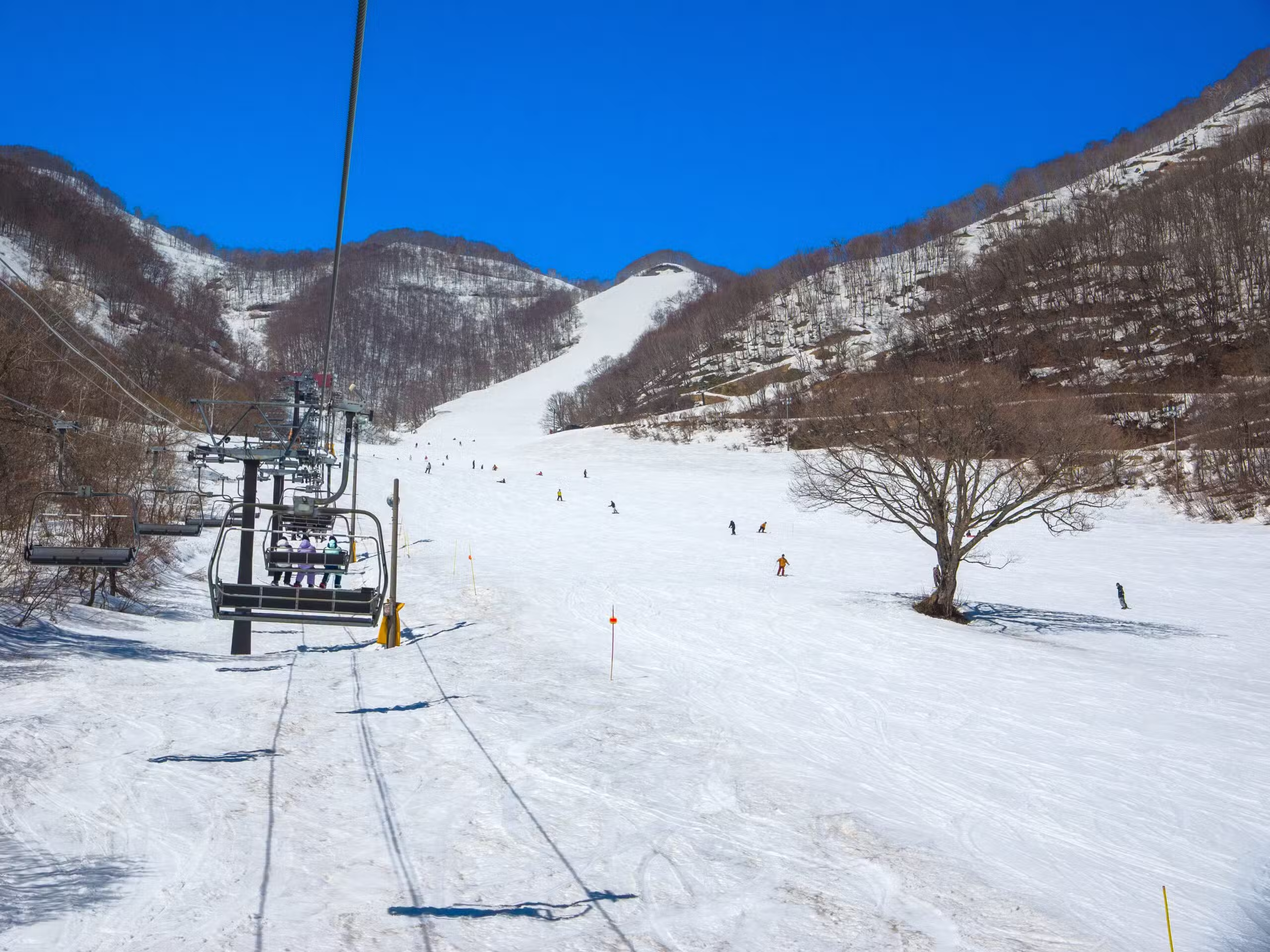
3. Read the Lift Pass Fine Print
Niseko’s multi-day lift tickets are valid on consecutive days only, so a day off still uses up a day. The 50-hour All Mountain Pass is a flexible alternative: it’s sold online only and only counts down while you’re riding the lifts.
4. Never Duck the Rope
Under the Niseko Rules, out-of-bounds terrain is reached only through 11 official gates. Gates open and close each day depending on snow and avalanche conditions, and ski patrol updates an avalanche report every morning of the season.
5. Send Your Ski Bag Ahead
Japan’s luggage forwarding service, takkyubin, can collect your bags from the airport or your hotel and deliver them to your resort, usually by the next day. It saves dragging skis through crowded train stations.
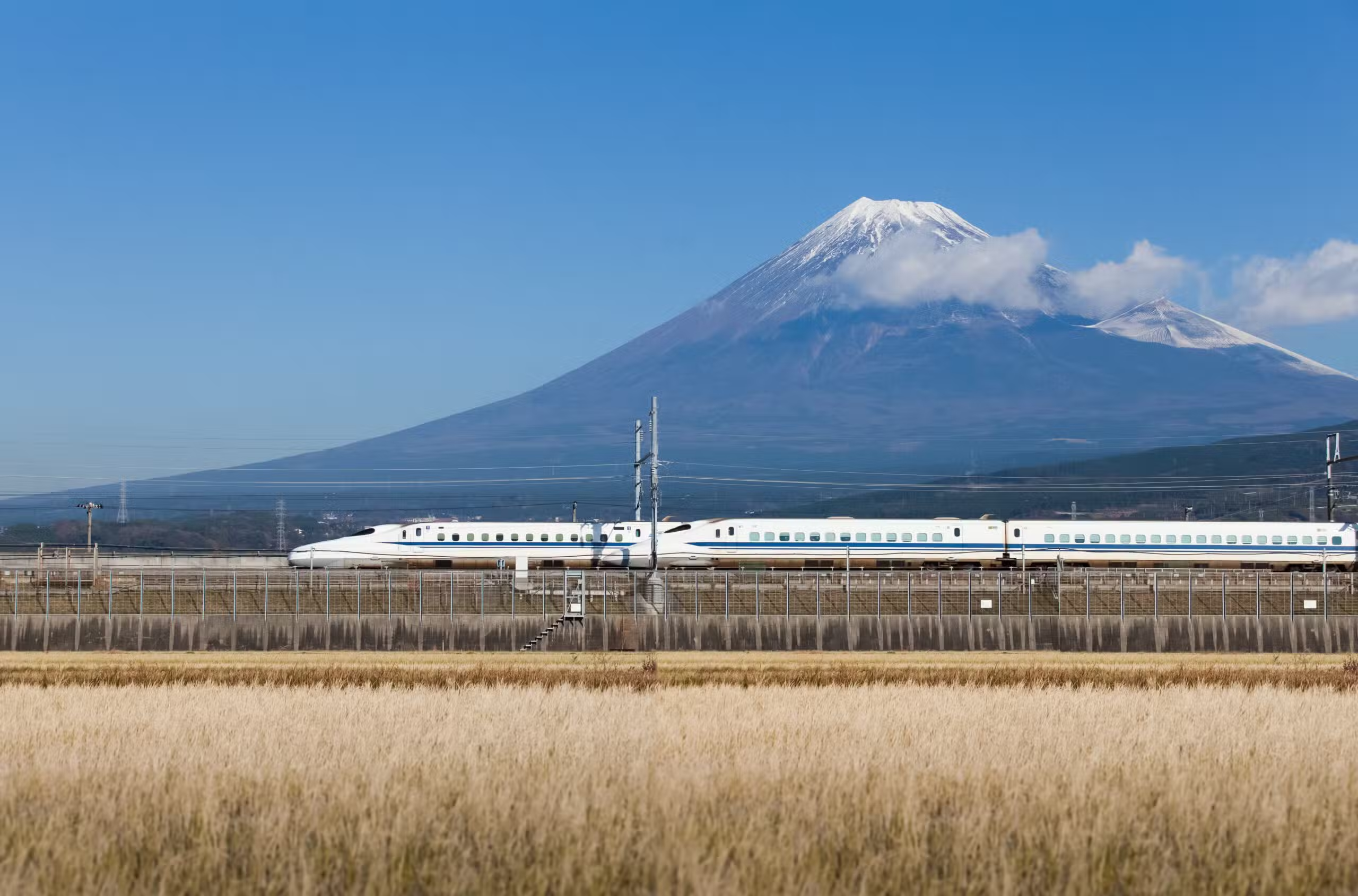
6. Set Up an IC Card Before You Land
Add a Suica or PASMO card to your phone wallet for trains, buses and convenience stores. Carry some cash too, as smaller ryokan, ramen shops and mountain huts may not take cards.
7. Budget for Japan’s New Travel Taxes
Japan tripled its departure tax from ¥1,000 to ¥3,000 per person on 1 July 2026. It’s usually built into your airfare. Hokkaido also introduced an accommodation tax from 1 April 2026, charged on top of your room rate.
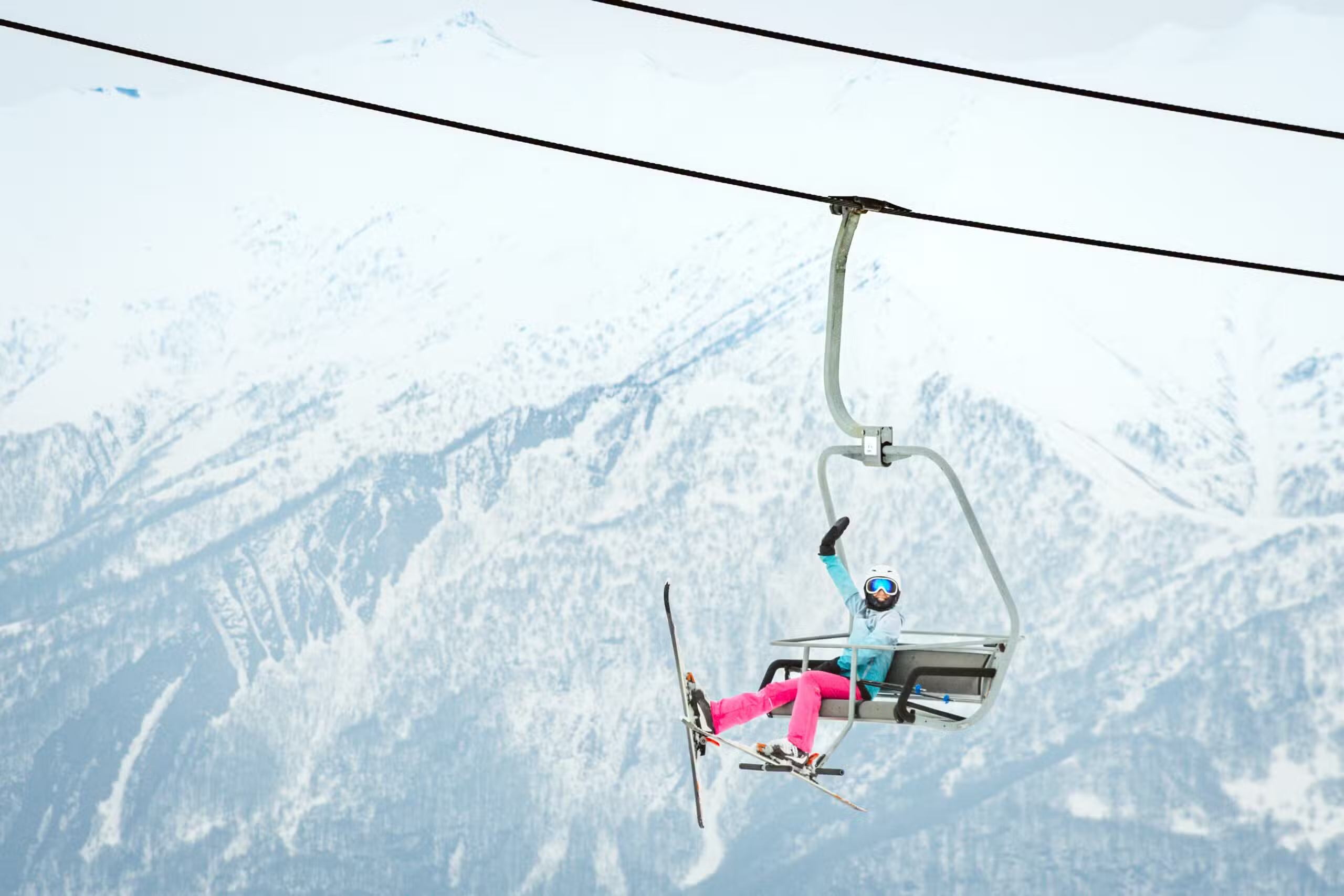
8. Pack for Proper Cold
Hokkaido in January is much colder than the Australian Alps. Pack merino base layers, a neck warmer or face mask, and mitts. Add goggles with a low-light lens for snowy, flat-light days, and waterproof boots with good grip for walking around icy village streets.
9. Learn Onsen Etiquette
A hot spring soak after a day on the slopes is half the fun. Wash thoroughly before you get in, leave swimwear behind, and keep your small towel out of the water.
10. Check Your Snow Sports Cover Before You Fly
Skiing and snowboarding usually aren’t covered by standard travel insurance, and snow sports cover is typically an add-on you choose when you buy. Japanese hospitals expect visitors to pay for treatment, and local authorities have been urging tourists to travel insured.
Cover your next trip with PassportCard
Check Travel Alerts – they may affect your policy.